
How the Rare Coin Industry Really Works: From Seller to Dealer to Market
With over $3 billion changing hands each year, the rare coin market has quietly become one of the most active and complex segments of the collectibles and alternative investment world.
This booming industry draws in collectors, investors, and dealers alike, all trading coins prized not just for their metal content, but for their rarity, condition, and historical value.
What makes the rare coin market so unique is its structure: a tightly woven network of sellers, expert dealers, grading services, and auction houses working together to determine how much a coin is worth and how it changes hands.
Whether you’re looking to sell a rare coin from an inherited collection or are curious about how rare coin dealers operate behind the scenes, understanding this system gives you a significant edge to making informed decisions.
In this article, I’ll walk you through how the rare coin industry really works: what happens from the moment someone decides to part with a coin to the point that it’s sold in the open market.
Understanding the Rare Coin Market
The rare coin market is a sophisticated ecosystem built around the buying, selling, grading, and collecting of numismatic coins. These coins are valued not for their metal content, like bullion, but for their rarity, condition, and historical importance.
What Is the Rare Coin Market?
Rare coins are typically those with limited mintage, historical significance, or exceptional condition. This includes early U.S. coins such as the 1794 Flowing Hair Dollar, world rarities such as the 1928 Pattern “Mukden Tiger” Dollar, and even modern mint errors or low-population proof coins.
These coins differ from bullion coins, which are primarily traded for their metal value.
The market is driven by numismatics, which is the study and collection of currency, and includes both hobbyists and investors. Unlike stocks or real estate, rare coins are tangible assets, often passed down through generations or acquired for their potential to appreciate in value over time.
Market Size and Players
The U.S. rare coin market is estimated to exceed $3 billion annually, supported by over 5,000 active coin companies. Major players include:
- Heritage Auctions: The largest rare coin auction house, generating more than $500 million in annual sales.
- Rare Coin Wholesalers (RCW): A California-based firm that has handled over $2 billion in transactions and frequently deals in high-end coins.
- Professional Numismatic Guild (PNG): An elite network of around 300 vetted dealers.
These companies are supported by PCGS and NGC grading services, which provide authentication and certification that help establish market trust.
Why People Buy and Sell Rare Coins
People enter the rare coin market for several reasons:
- Collecting: Many enjoy the historical and artistic aspects of coins.
- Investing: Coins are seen as a hedge against inflation and a way to diversify portfolios.
- Wealth preservation: Tangible assets such as coins can retain or increase in value during economic uncertainty.
The market has grown significantly since the 2008 financial crisis as investors searched for alternatives to traditional assets.
From Collector to Seller: When and Why People Sell Rare Coins
Common Reasons To Sell a Rare Coin
People sell rare coins for a variety of reasons:
- Life events: Retirement, inheritance, or financial hardship may prompt a sale.
- Market timing: Sellers may act when gold or silver prices rise or when demand for a specific coin increases.
- Estate liquidation: Families often need to liquidate inherited collections.
- Reinvestment: Some collectors sell coins to upgrade their collections or shift focus.
Emotional attachment can make the decision to sell difficult, especially with coins passed through generations.
Preparing To Sell: What Sellers Should Know
Before selling rare coins, it’s important to understand their value. Key steps include:
- Know the grade: Coin condition significantly impacts value. A coin graded MS-65 can be worth twice as much as the same coin graded MS-63.
- Understand provenance: A coin’s previous ownership history can add value, especially if it belonged to a notable collection.
- Check population reports: Services such as PCGS and NGC publish how many coins exist at each grade level, which helps you understand true rarity.
Common Venues When Selling Rare Coins
Sellers have multiple options:
- Local coin shops: Convenient but may offer less competitive pricing.
- Online marketplaces: Platforms such as eBay provide reach but carry risks including fraud and inconsistent pricing.
- Rare coin dealers: Experts who can appraise, grade, and connect sellers with buyers.
Each option has trade-offs in terms of price, speed, and transparency.
Role of Rare Coin Dealers
What Rare Coin Dealers Do
Coin dealers wear many hats:
- Buy and sell coins: Dealers maintain inventories and may buy directly from collectors.
- Appraise: They assess value based on condition, rarity, and market trends.
- Educate: Skilled dealers help clients understand grading, pricing, and market timing.
Some firms offer both retail and wholesale services and often handle coins worth millions.
How Dealers Assess Coins
Dealers evaluate coins using:
- Grading: A coin’s Sheldon Scale grade (from 1 to 70) is a major value driver.
- Auction history: Recent sales of comparable coins help determine fair market value.
- Population data: Rarity is confirmed through grading service databases.
Experienced dealers rely on years of market knowledge and relationships with top-tier grading services.
Dealer Networks and Market Access
Seasoned dealers have access to:
- Grading services: PCGS and NGC offer priority service to frequent submitters.
- Auction houses: Dealers often consign coins to major auctions for global exposure.
- Private buyers: High-net-worth collectors often work exclusively with trusted dealers.
These networks help sellers achieve better pricing and faster liquidity.
The Importance of Coin Grading and Certification
How Coins Are Graded
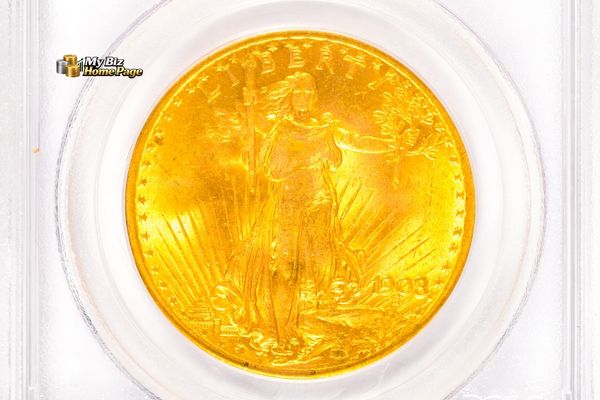
Coins are graded using the Sheldon Scale, which ranges from 1 (Poor) to 70 (Perfect Mint State). Certified grading services such as PCGS and NGC examine coins under magnification and encapsulate them in tamper-evident holders.
- MS-65: Gem quality, strong luster, minimal marks.
- Proof 70: Flawless proof coin, often with cameo contrast.
Grading Tiers and Quality Labels
| Tier | Services | Characteristics |
|---|---|---|
| Top | PCGS, NGC | Preferred by investors, strict standards, population reports |
| Mid | ANACS, ICG | Reliable, but less market premium |
| Lower | ACG, others | Limited market acceptance |
Additional designations include:
- CAC stickers: Green or gold stickers that verify a coin is high-end for its grade.
- Star (★): NGC’s label for exceptional eye appeal.
When To Grade a Coin
You should grade a coin if it is:
- High-value or rare.
- Likely to benefit from certification in resale.
- Being sold through an auction or dealer.
Grading fees vary, so the expected premium should outweigh the cost.
Selling Rare Coins Through Auctions and Marketplaces
Auction Houses and Online Platforms
Top auction houses include:
- Heritage Auctions: Known for record-breaking sales such as the 1794 Flowing Hair Dollar at $7.85 million.
- Stack’s Bowers: Specializes in U.S. and world coins.
- GreatCollections: Offers online bidding with professional grading.
Digital platforms such as eBay and Whatnot are gaining traction, especially with younger collectors.
How Auctions Work
- Consignment: Seller contracts with the auction house.
- Promotion: The coin is professionally photographed and marketed.
- Bidding: Competitive bidding drives price discovery.
- Sale completion: Winning bidder pays, and seller receives proceeds minus fees.
Auctions offer global reach and liquidity but take time and involve commission fees.
Pros and Cons of Selling Online
Pros:
- Broader audience
- Faster transactions
- Lower fees (in some cases)
Cons:
- Risk of counterfeit buyers/sellers
- Variable pricing
- No guarantee of sale
Proper descriptions and third-party grading help mitigate risks.
What Drives Value in the Rare Coin Market
Rarity, Condition, and Provenance
- Rarity: Low mintage or survival rates increase value.
- Condition: Higher grades command higher prices. An MS-65 coin can be worth thousands more than an MS-63.
- Provenance: Coins from collections like Contursi or Eliasberg often carry premiums due to historical ownership.
Eye Appeal and Market Demand
Collectors look for:
- Color and toning.
- Strike quality.
- Collector interest.
The saying “buy the coin, not the slab” reminds buyers to focus on a coin’s appearance, not just its grade.
Timing and Economic Conditions
Economic factors also affect value:
- Precious metal prices.
- Interest rates.
- Market sentiment.
Risks, Scams, and Market Volatility
Fakes, Altered, and Cleaned Coins
Grading services help protect against the following risks by verifying authenticity.
- Counterfeits
- Cleaned coins
- Altered coins
Market Ups and Downs
The market can be volatile:
- High-grade coins tend to hold value better.
- Common coins fluctuate with demand.
- Economic cycles affect supply and buyer interest.
Working With Reputable Experts
To reduce risk:
- Choose dealers affiliated with PNG or ANA.
- Sell through established auction houses.
- Use top-tier grading services.
Reputation matters in this trust-based industry.
Trends and the Future of the Rare Coin Market
Digital Disruption and Live Selling
Platforms such as Whatnot and eBay Live have introduced real-time selling to a younger, tech-savvy audience. Blockchain-based tools are emerging to track provenance, and AI is beginning to assist in grading.
Global Expansion and Collector Demographics
Interest is growing in Asia and Latin America, while online platforms are attracting a younger demographic. This shift is expanding the market beyond traditional U.S. and European buyers.
Investment and Portfolio Diversification
Rare coins are increasingly recognized as alternative investments. High-net-worth individuals are turning to coins for portfolio diversification, drawn by their historical appeal and potential for appreciation.
What You Should Know Before Entering the Market
The rare coin market is a complex but rewarding space. Whether you are thinking about selling rare coins or looking to invest, understanding how coins move through the system helps you make better decisions.
- Begin by understanding your coin’s value through grading and provenance.
- Dealers serve as expert intermediaries, offering market access and appraisal.
- Grading gives credibility and enhances marketability.
- Auctions and online platforms provide different paths to liquidity.
- Value is driven by condition, rarity, history, and timing.
- Risks exist, but working with reputable dealers, graders, and platforms protects your investment.
Before you sell a rare coin or start collecting, take the time to research and consult with experienced professionals. In a market driven by knowledge and trust, being informed is your greatest asset.