
The Different Types of Coin Dealers and How Each One Makes Money
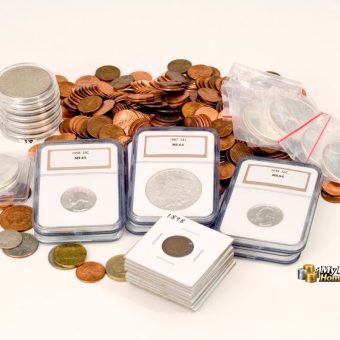
Each year, coin dealers handle more than $2 billion in transactions, connecting collectors, investors, and institutions with everything from ancient Roman denarii to modern gold bullion.
These professionals, known as numismatists, do far more than just buy and sell coins. They appraise estates, authenticate historical rarities, and advise clients on building collections that can appreciate over time.
Understanding the different types of coin dealers and how each one operates can help you make smarter decisions, whether you’re unloading a family collection or investing in precious metals.
Having worked in the industry for more than two decades, I’ve seen how dramatically coin dealing has evolved. From small-town local coin shops to international online platforms, each type of dealer plays a distinct role in the current numismatic market and earns revenue in unique ways.
What Is a Coin Dealer?
Coin dealers are professional numismatists who operate at the intersection of history, finance, and collectibles.
Unlike hobby collectors, who may acquire coins for personal enjoyment or casual investment, coin dealers focus on commercial transactions. Their work involves not just trading coins but also evaluating rarity, grading condition, and verifying authenticity.
Professional Numismatists vs. Hobby Collectors
Numismatics is the study of coins and currency. Professional numismatists use their expertise to authenticate, grade, and appraise coins for resale or investment purposes. Hobby collectors, by contrast, may focus on personal interests such as collecting coins by country, time period, or design.
Dealers often work closely with historians, museums, and grading services to ensure accuracy and authenticity in their inventory.
Core Functions of Coin Dealers
Coin dealers perform several critical functions:
- Buying and selling: Acquiring coins from individuals, estates, or other dealers and reselling them for profit.
- Appraisal and authentication: Evaluating coins based on condition, rarity, and historical significance.
- Grading and certification: Submitting coins to third-party services such as PCGS or NGC for standardized grading.
- Investment advice: Helping clients choose between bullion and numismatic coins based on market trends and goals.
Market Scope: From Ancient Coins to Bullion
Coin dealers handle a wide range of inventory, including:
- Ancient coins from Greece and Rome.
- U.S. rarities such as the 1794 Flowing Hair Dollar.
- Modern bullion such as American Gold Eagles or Canadian Maple Leafs.
- Medals and tokens used for commemorative or trade purposes.
Local Coin Dealers and Coin Shops
Local coin dealers often operate storefront businesses that serve walk-in customers. These shops are the foundation of the coin market in many communities and offer a personal touch that larger operations can lack.
Walk-in Retail Model
Local coin shops buy and sell coins on a daily basis, dealing with both casual browsers and serious collectors. They may purchase coins for cash or offer trade-in deals. Income is generated through:
- Retail markups on coins and bullion.
- Buy/sell spreads, especially on bullion.
- Small service fees for appraisals or consultations.
Appraisals and Estate Services
Many local coin dealers offer appraisal services, particularly for estates. When someone inherits a coin collection, they often turn to these shops for valuation and potential sale. Dealers make money by:
- Purchasing estates below retail value and reselling items individually.
- Charging for written appraisals for insurance or probate.
Pros and Challenges
Advantages:
- Build trust through face-to-face interaction.
- Local reputation and word-of-mouth referrals.
- Immediate payment and in-person evaluations.
Challenges:
- Limited inventory and customer reach.
- High overhead costs for rent and staffing.
- Vulnerability to market fluctuations.

Online Coin Dealers
Online coin dealers have rapidly expanded their role in the market by offering convenience, broader selection, and competitive pricing.
E-Commerce and Mail-in Services
Online dealers operate through websites and handle transactions via mail or insured shipping. They often provide:
- Digital appraisal services through photos or video.
- Online catalogs with real-time pricing.
- Mail-in options for sellers.
This model allows dealers to reduce overhead and reach a global customer base.
Logistics and Trust Mechanisms
To build credibility, online coin dealers rely on:
- Insured shipping through carriers such as FedEx or USPS.
- Partnerships with grading services such as PCGS and NGC.
- Transparent return policies and customer reviews.
Revenue Streams and Volume
Online dealers often profit through:
- High-volume sales of lower-margin items.
- Affiliate and referral programs.
- Auction-style listings for rarer items.
Their scalability allows them to move inventory quickly and capitalize on market trends.
Rare Coin Dealers and Numismatic Specialists
Rare coin dealers focus on historically significant and high-value coins. These professionals often operate at the highest levels of the market.
Specialization in Numismatics
Specialists target coins such as:
- The 1794 Flowing Hair Dollar.
- The 1787 Brasher Doubloon, which sold for $9.36 million.
Their clientele includes museums, wealthy collectors, and institutional investors.
Authentication, Grading, and Provenance
These dealers add value by:
- Conducting deep historical research on coins.
- Submitting items for third-party grading.
- Verifying provenance, or chain of ownership.
High-Ticket Sales and Consignment
Most revenue comes from:
- Individual high-value sales.
- Commission-based consignments.
- Private treaty sales arranged directly between buyer and seller.
Bullion Dealers
Bullion dealers differ from rare coin specialists by focusing on the intrinsic metal value of coins and bars.
Precious Metal Focus
These dealers handle items such as:
- Gold and silver bars.
- Modern bullion coins (e.g., American Silver Eagle, Canadian Gold Maple Leaf).
- Platinum and palladium products.
Their primary buyers are investors looking for a hedge against inflation or market volatility.
Spot Price and Market Timing
Bullion prices fluctuate constantly. Dealers make money on:
- Buy/sell spreads based on spot prices.
- Premiums over melt value.
- Hedging strategies to lock in margins.
Bullion vs. Rare Coins
Bullion:
- Lower profit per item.
- Higher volume.
- Price based on metal content.
Rare Coins:
- Higher profit margins.
- Specialized knowledge required.
- Price based on rarity and condition.
Wholesale Coin Dealers
Wholesale coin dealers operate behind the scenes, supplying inventory to local shops and online retailers.
B2B Transactions and Dealer Networks
These dealers work primarily with other professionals. They maintain relationships with:
- Retail coin shops.
- Online platforms.
- Auction houses.
Inventory Management and Arbitrage
Profit is made through:
- Buying in bulk at discounted rates.
- Fast turnover of inventory.
- Arbitrage between different markets or regions.
Coin Auction Houses
Coin auction houses are integral to the high-end coin market, offering a platform for rare and valuable pieces.
Consignment and Commission Structures
Auction houses make money by:
- Charging a seller’s commission (often 10–20%).
- Adding a buyer’s premium to the final sale price.
Authenticity and Marketing
Auction houses provide:
- Grading and authentication services.
- Professional photography and catalog descriptions.
- Global marketing to attract bidders.
Record-Breaking Sales
Notable examples include:
- The $7.4 million sale of the Brasher Doubloon.
- The 1794 Flowing Hair Dollar exposure in 2004.
What Makes a Dealer Reputable?
Whether buying or selling, working with reputable coin dealers is critical for a secure and fair transaction.
Certifications and Memberships
Look for affiliations with organizations such as:
- American Numismatic Association (ANA).
- Professional Numismatists Guild (PNG).
- International Association of Professional Numismatists (IAPN).
Use of grading services such as PCGS and NGC also signals professionalism.
Transparency and Customer Service
Trustworthy dealers:
- Offer clear pricing and documentation.
- Provide grading guarantees.
- Build relationships through honesty and repeat business.
Red Flags To Be Aware Of
Avoid dealers who:
- Refuse to provide credentials.
- Offer vague or inflated appraisals.
- Pressure you into quick decisions.
Choosing the Right Dealer for Your Needs
Coin dealers come in many forms, each with a unique business model based on inventory, clientele, and services.
Local coin dealers offer personal service and community trust, while online coin dealers provide convenience and global access. Rare coin dealers and bullion dealers cater to different segments of the market, one focused on history and rarity and the other on metal value and investment.
Wholesale coin dealers operate behind the scenes, and coin auction houses bring high-end pieces to a broad audience through competitive bidding.
Understanding these distinctions allows you to choose the right partner for your collecting or investing goals. Whether you’re a seasoned numismatist or have just inherited a collection, working with reputable coin dealers who are transparent and certified can make all the difference.